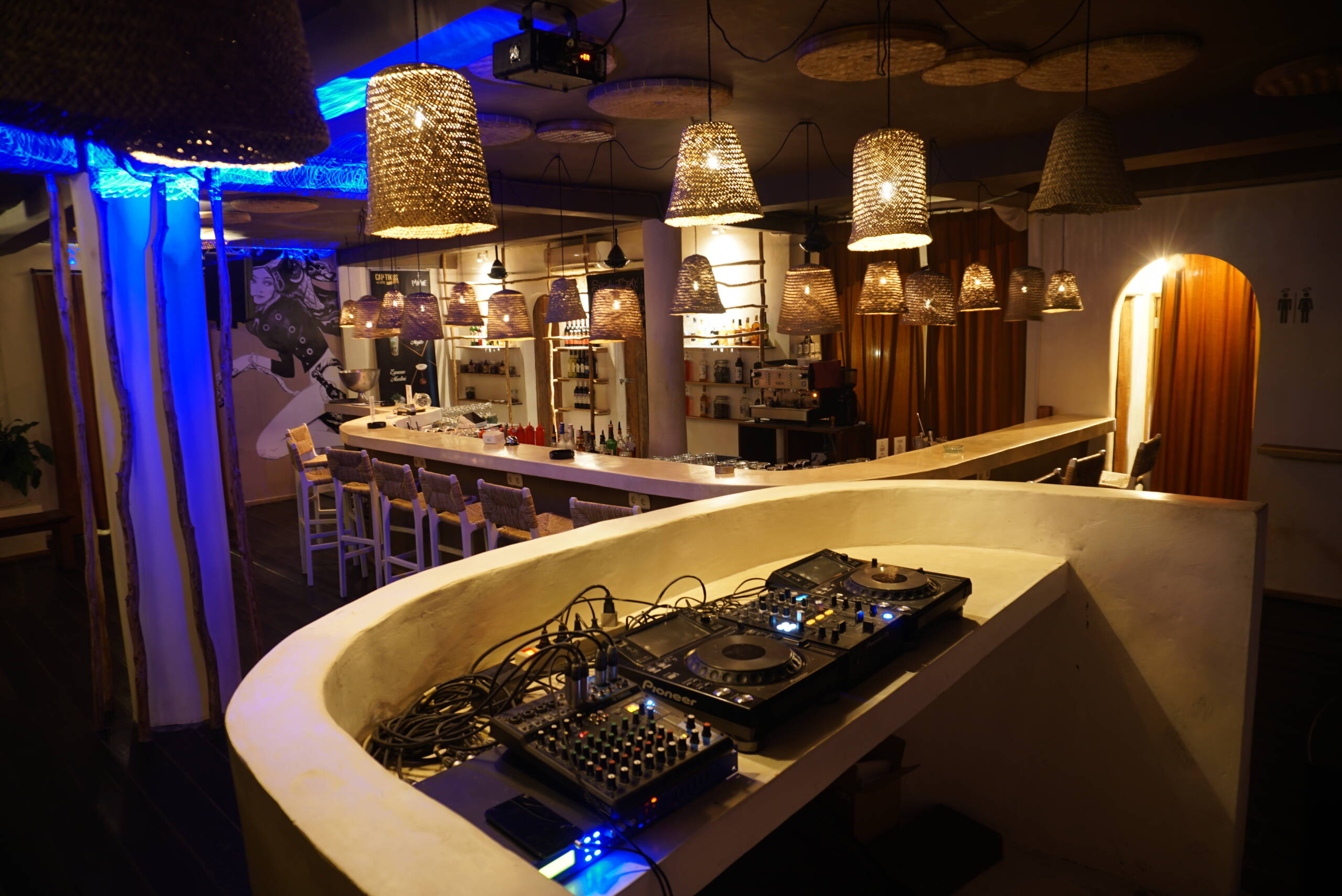
In 2025, the restaurant industry is witnessing one of the most dynamic shifts in decades. From AI-powered ordering kiosks to robotic kitchen assistants, restaurants are embracing innovation like never before. But there’s one unsung hero in the restaurant tech landscape that’s quietly transforming the entire customer journey—smart audio. In a world where dining is no longer just about food but about experience, smart audio is stepping up as a key player. It’s not just about playing background music anymore—it’s about using technology to control sound, create emotional connections, and define your brand identity.
In this blog, we’ll explore why smart audio is becoming the centerpiece of restaurant tech in 2025, how it’s being implemented, and what you can do to stay ahead of the curve.
Smart audio refers to the integration of intelligent sound systems into restaurant operations. This includes:
AI-curated playlists
Dynamic sound zoning
Automated ambiance control
Voice-enabled controls for staff
Integration with lighting, menus, and foot traffic systems
In the broader context of restaurant tech, smart audio blends creativity and functionality. It enhances mood, brand presence, staff productivity, and even the pace at which diners eat.
Today’s guests don’t just eat—they experience. The rise of experience-first dining, especially among Gen Z and millennials, has forced restaurant owners to think beyond traditional hospitality. Music, lighting, and ambiance are now central to their perception of a meal.
Smart audio, as a segment of restaurant tech, tailors the soundscape based on:
Time of day
Customer demographics
Weather or season
Table occupancy
Real-time feedback
This makes dining immersive and deeply personal.
In 2025, having a strong brand isn’t just about logos or interiors. Audio has become a branding tool. Think about it—do customers feel your brand when they hear your restaurant’s music?
With smart audio:
Restaurants can use signature tracks across locations
Playlist genres can reflect menu themes (e.g., jazz with French cuisine)
Audio branding becomes as recognizable as your logo
Brands like Starbucks and Chipotle already use consistent audio branding—and now smaller businesses are catching up thanks to affordable restaurant tech like Sync2Dine.
Smart audio isn’t just for customers—it’s for your team too. Studies show that background music can:
Improve employee mood
Reduce kitchen stress
Increase task accuracy and speed
With smart audio systems:
Kitchens can have separate, more energetic playlists
Staff can voice-control audio adjustments
Volume can adapt to shift changes and noise levels
This productivity benefit is one of the least talked about restaurant tech trends but has one of the highest returns on investment.
One of the best parts of integrating smart audio into your restaurant tech stack is automation. With AI-driven tools, restaurants can:
Schedule playlists based on time and crowd volume
Trigger songs based on weather (e.g., cozy jazz on rainy days)
Connect audio to POS systems (e.g., birthday song when cake is ordered)
This seamless automation enhances the guest experience without increasing staff workload.
Modern restaurants are no longer one-size-fits-all. You might have:
A lounge area
Main dining space
Outdoor patio
Private booths
Smart audio allows restaurants to create zoned soundscapes, so guests experience the right vibe in each space. This level of customization helps balance energy, noise, and relaxation—all critical in 2025’s competitive F&B world.
Advanced restaurant tech platforms are now integrating smart audio with real-time analytics. You can:
Track how certain music affects table turnover
Measure guest satisfaction based on playlist types
Optimize playlists to boost dwell time during slow hours
This data can be used to fine-tune your audio strategy and directly influence sales, peak hours, and loyalty.
Sound affects how we think, feel, and behave—especially when it comes to food. Research suggests:
Slow music increases the time spent at the table (good for fine dining)
Upbeat music increases drink consumption
Volume levels affect how people perceive taste
This makes smart audio a subtle but powerful tool in the restaurant tech toolkit. With AI-powered curation, you can now control this psychology with precision.
Here are real-world examples of how restaurants are leveraging smart audio in 2025:
AI alters tempo based on foot traffic
Lunch hours = energetic playlists
Post-lunch = soft acoustic for relaxed seating
Custom jazz and classical playlists for a luxurious feel
Synchronized with smart lighting and menus
Sound adjusted based on seating occupancy
Productivity playlists during working hours
Lo-fi beats for weekend chill vibes
Uniform audio identity across branches
Centrally controlled from one dashboard
Seasonal playlists updated automatically
Ready to upgrade your restaurant with smart audio? Here’s how to get started:
Is your restaurant playful or premium? Relaxed or energetic? Your sound should reflect that.
Platforms like Sync2Dine offer:
Curated playlists
Licensing
Smart automation features
Analytics dashboards
Designate zones in your space for different sound profiles. Sync them with lighting and seating if possible.
Ensure your staff knows how to manage or override settings when needed. Give them voice or mobile control access.
Review analytics to see what works. Tweak playlists, adjust volume settings, and try A/B testing for peak hours.
Looking ahead, smart audio will evolve even further:
Voice personalization: greeting guests by name or music preference
AI chat integration: syncing with smart menus for ambiance pairing
Augmented Reality (AR) audio: immersive dining for themed experiences
As restaurant tech continues to evolve, smart audio will move from being a background feature to a core part of the customer journey.
In a competitive industry where every detail matters, smart audio offers an edge. It’s more than music—it’s a strategy. As a leader in restaurant tech, it blends automation, emotion, branding, and operational efficiency. So, if you haven’t invested in your restaurant’s audio strategy, 2025 is the year to press play.